Hydronic Heating in Orange
Locally owned with 20+ years’ experience, Climate King delivers expert heating, cooling and electrical solutions tailored for Central West conditions.
European-Style Comfort At Home
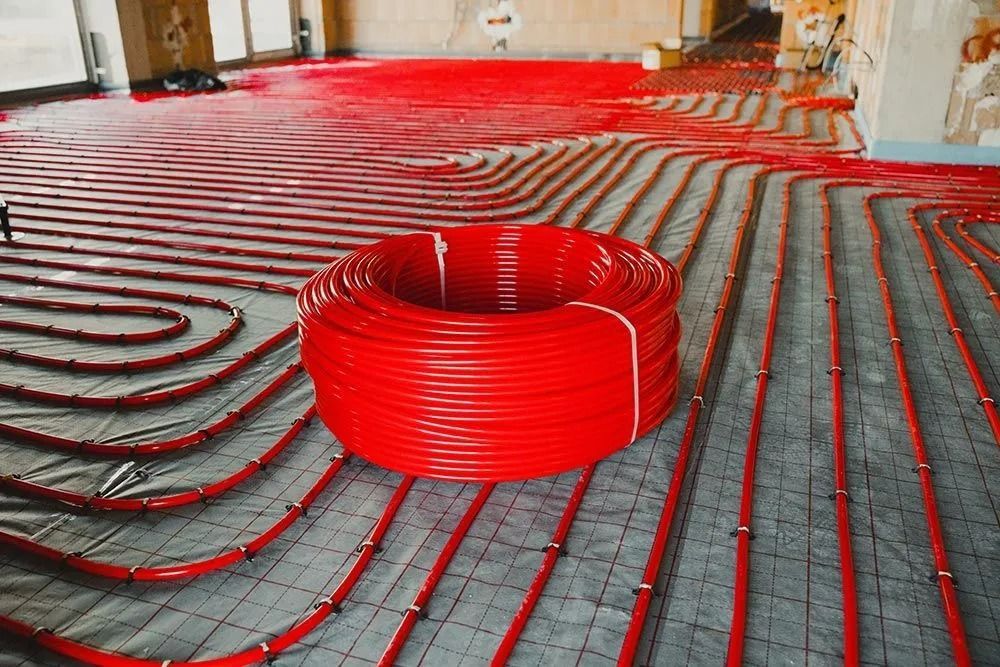
At Climate King in Orange, we install hydronic heating systems inspired by the luxury and efficiency found in European homes. Using either underfloor piping or stylish radiators, these systems deliver radiant heat that warms objects, not just air. The result is a consistent, inviting warmth without the dust, noise, or dry air of conventional ducted heating. Call our team on 02 6361 8313 today to learn how hydronic heating can bring clean, quiet comfort to your home.
Tesla Certified
ARCtick Approved
Clean Energy Licensed
Smart, Flexible & Allergy-Friendly
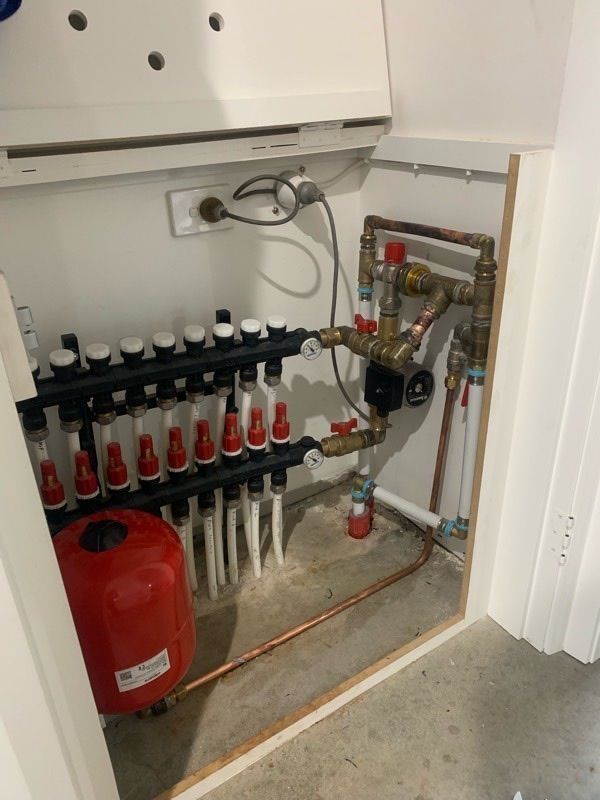
Hydronic heating works by circulating hot water through coils, radiators, or slabs, powered by high-quality Immergas boilers or even solar alternatives. This method cuts energy costs while providing silent, dust-free comfort — perfect for families with asthma or allergies. Its flexibility makes it suitable for new builds, retrofits, and even commercial projects. With superb European design and reliable technology, hydronic systems offer a healthier, more efficient way to heat. Explore your options today and enjoy modern comfort with lasting benefits.
contact us
Send An Enquiry
Contact Us
Thank you for contacting Climate King.
We will get back to you as soon as possible.
Oops, there was an error sending your message.
Please try again later.
FAQ
What’s the difference between underfloor and radiator hydronic heating?
Underfloor hydronic heating uses pipes embedded in a concrete slab to radiate warmth evenly across a space. Radiator systems, on the other hand, pump hot water into wall-mounted panels that warm individual rooms. Both approaches rely on water heated by a boiler but offer different aesthetics and installation needs. Underfloor is often chosen for new builds, while radiators are a flexible retrofit option.
How does hydronic heating affect indoor air quality?
Unlike ducted systems, hydronic heating doesn’t push air around, which means less dust, pollen and allergens circulating through the home. This makes it appealing for people with asthma or allergies, or those who prefer a quieter system. Because it heats through radiation and natural convection, the air isn’t dried out in the same way as with forced-air systems. Many households find this creates a healthier, more comfortable living environment.
Can hydronic heating run on renewable energy sources?
Yes, hydronic systems can be paired with solar boilers or other renewable technologies to heat the water supply. This reduces reliance on gas or electricity alone and lowers running costs over time. Solar integration can be particularly useful in areas with good sunlight exposure. It also enhances the system’s environmental credentials, making hydronic heating a strong choice for energy-conscious households.